Blog
Blog
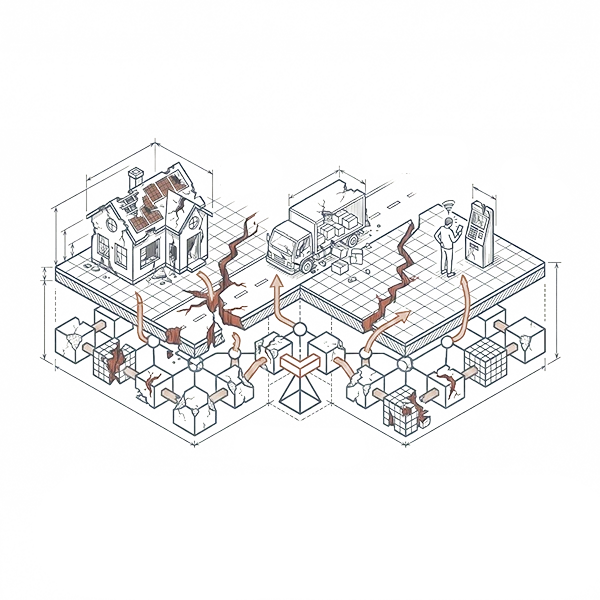
Blockchain systems don't fail because the technology is flawed—they fail because of infrastructure mistakes, poor architecture decisions, and overlooked operational realities. Here's how blockchain systems actually break in production, and what you need to do before disaster strikes.
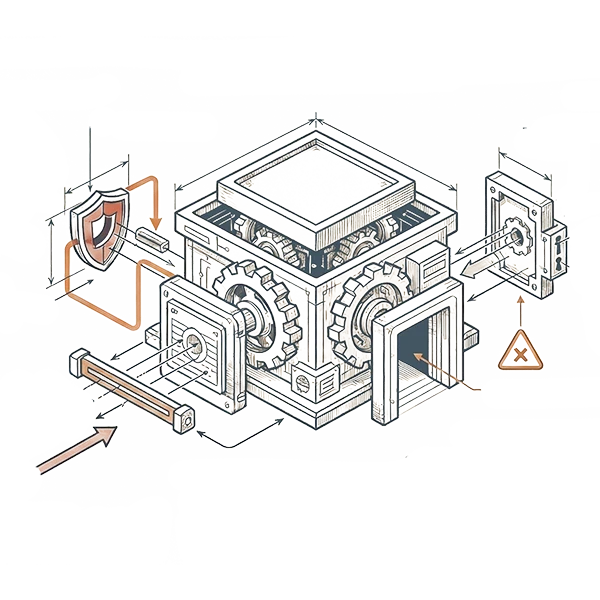
Smart contract bugs don't just break features—they drain millions in minutes. The DAO lost $60M. Parity lost $150M. Poly Network lost $600M. These weren't obscure edge cases; they were preventable design mistakes. Here are the critical errors that destroy projects in production, and how to avoid them before they cost you everything.
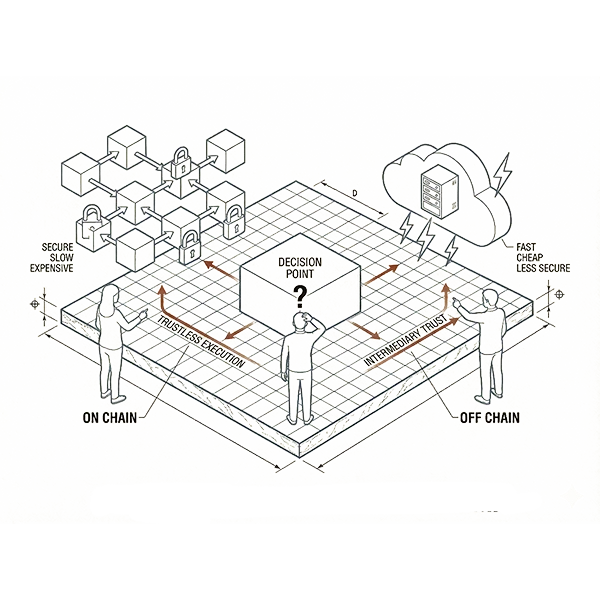
Putting everything on-chain sounds decentralized and pure. It's also slow, expensive, and often completely impractical. The real art of blockchain architecture is knowing what belongs on-chain, what should stay off-chain, and how to connect them without compromising security or decentralization. Here's how to make these decisions without destroying your budget or your user experience.
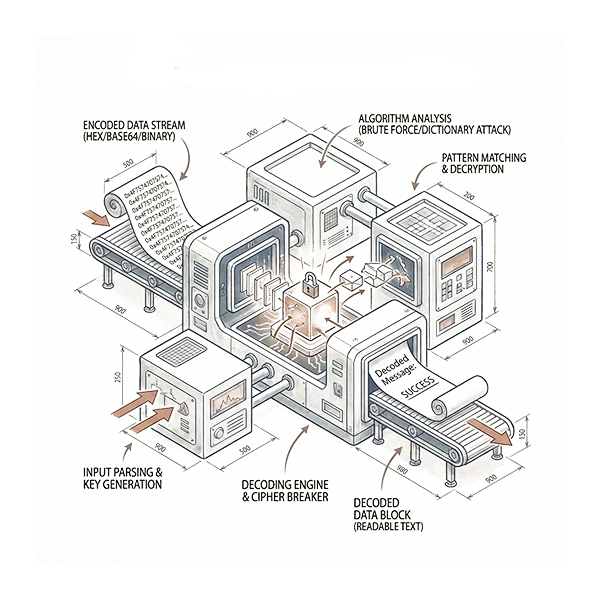
The single decision behind Base58, obsessing over details everyone else ignored, represents everything we believe about blockchain engineering. Here's why we named our company after four missing characters.
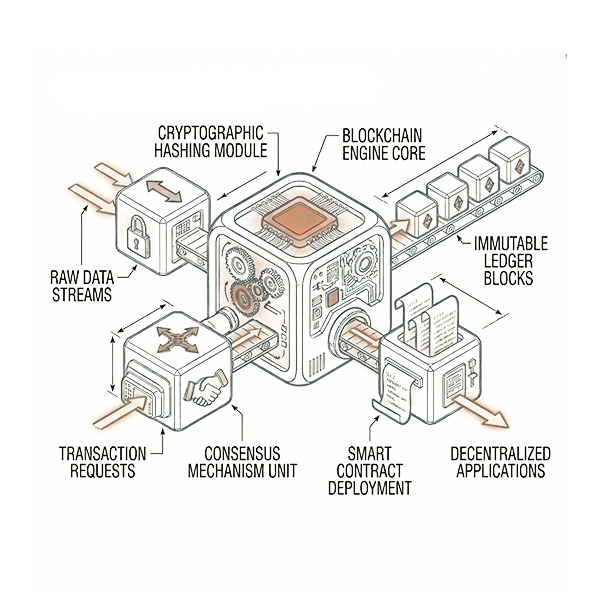
Putting everything on-chain sounds decentralized and pure. It's also slow, expensive, and often completely impractical. The real art of blockchain architecture is knowing what belongs on-chain, what should stay off-chain, and how to connect them without compromising security or decentralization. Here's how to make these decisions without destroying your budget or your user experience.
Web3 developers build dApps that connect to blockchains. Blockchain engineers build the actual blockchain infrastructure those dApps run on. Here's what blockchain engineering actually involves, and why the skillset is fundamentally different from Web3 development.
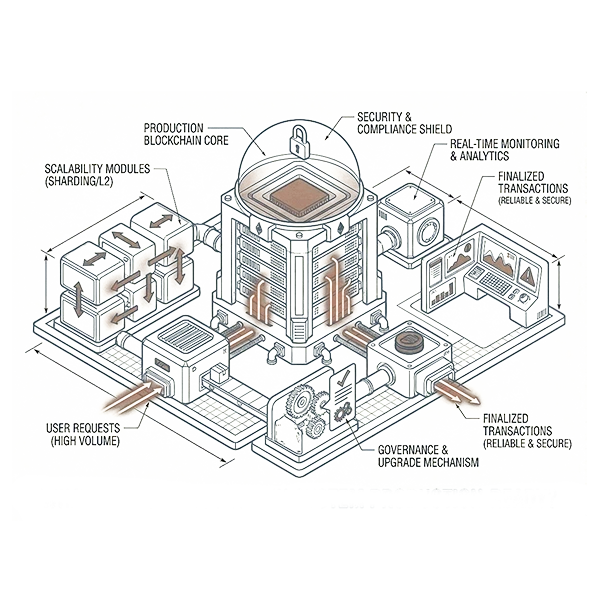
The single decision behind Base58, obsessing over details everyone else ignored, represents everything we believe about blockchain engineering. Here's why we named our company after four missing characters.
Building a blockchain prototype is easy. Deploying one that handles real money, real users, and real liability without catastrophic failure? That's the hard part. Between "it works on my laptop" and "it's running in production" lies a massive gap most blockchain projects never bridge.
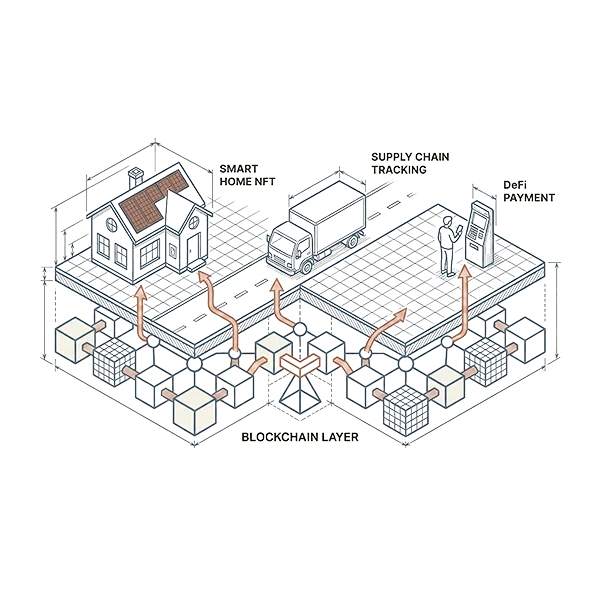
Web3 developers build dApps that connect to blockchains. Blockchain engineers build the actual blockchain infrastructure those dApps run on. Here's what blockchain engineering actually involves, and why the skillset is fundamentally different from Web3 development.
Building a blockchain prototype is easy. Deploying one that handles real money, real users, and real liability without catastrophic failure? That's the hard part. Between "it works on my laptop" and "it's running in production" lies a massive gap most blockchain projects never bridge.